
03.12.2026
U.S. Soy Staff Writer
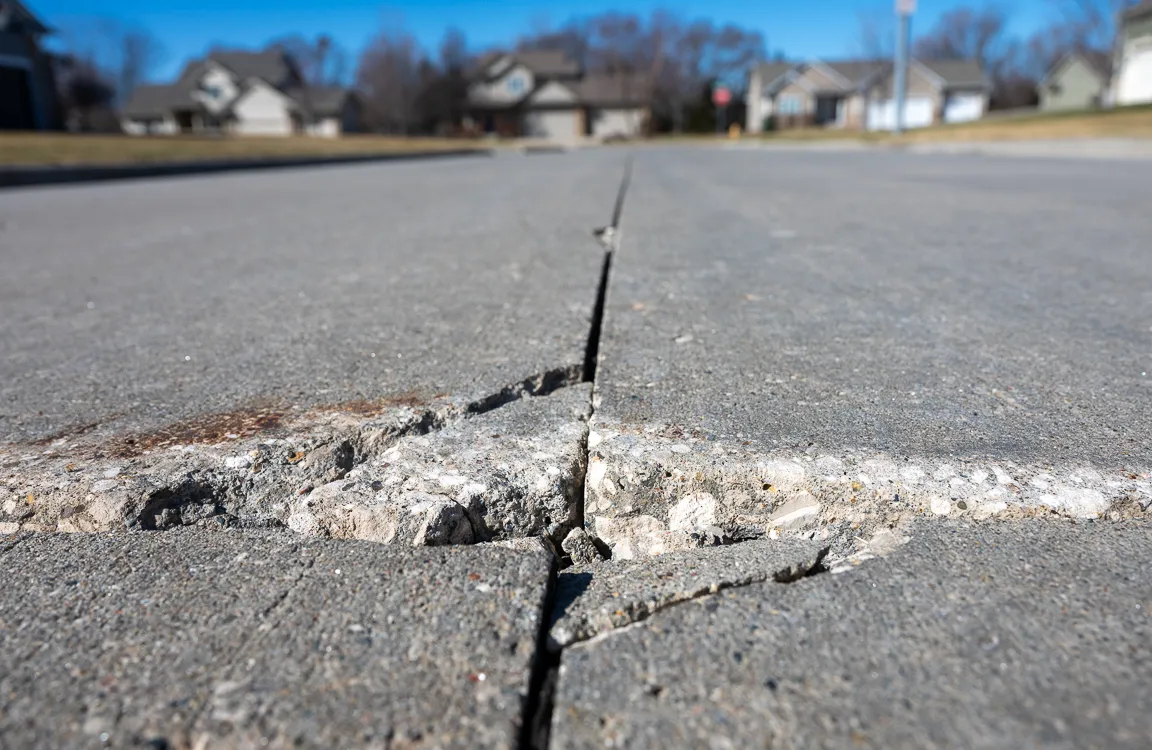
Now, a soy-based technology is helping extend the life of concrete surfaces while creating new demand for U.S. soybeans.
About five years ago, the Indiana Soybean Alliance, Purdue University, and the Indiana Department of Transportation – using Soy Checkoff funds – developed PoreShield™, a biobased concrete treatment made with U.S. Soy. PoreShield penetrates concrete and seals it from the inside out, repelling moisture and slowing deterioration. The result is more than 10 years of added protection for treated surfaces.1
PoreShield is a USDA BioPreferred product approved for residential, commercial, and industrial use. It’s non-toxic, requires no special protective equipment during application, and is easy and cost-effective to use – important factors for contractors and municipalities managing tight budgets.

In 2023, Crafco®, a global leader in pavement preservation and maintenance, acquired PoreShield, calling it a “cutting-edge, renewable, and sustainable technology.”2
United Soybean Board Director Barry Alexander recently visited Crafco’s headquarters in Phoenix. He says the partnership is a strong example of how Soy Checkoff investments help open new markets.
“Crafco is a large company with a global footprint that uses locally sourced products whenever possible,” Alexander says. “They’re a great fit for U.S. Soy. It’s also a good way for the public to see that farmers produce more than food – we produce solutions.”
PoreShield works by entering the pores of concrete and replacing trapped moisture, which helps prevent cracking and surface damage. “This is something you can apply even after concrete is already in place,” Alexander explains. “They’re using it on piers in San Diego to extend their service life.”
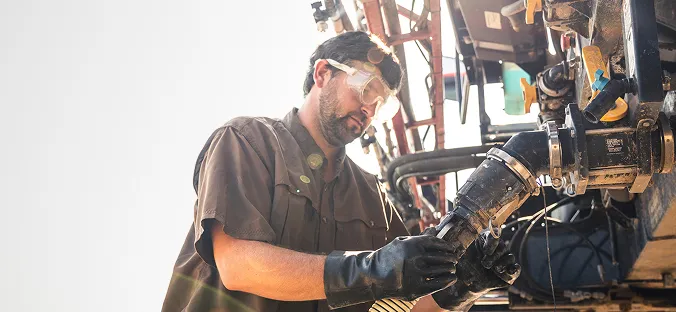
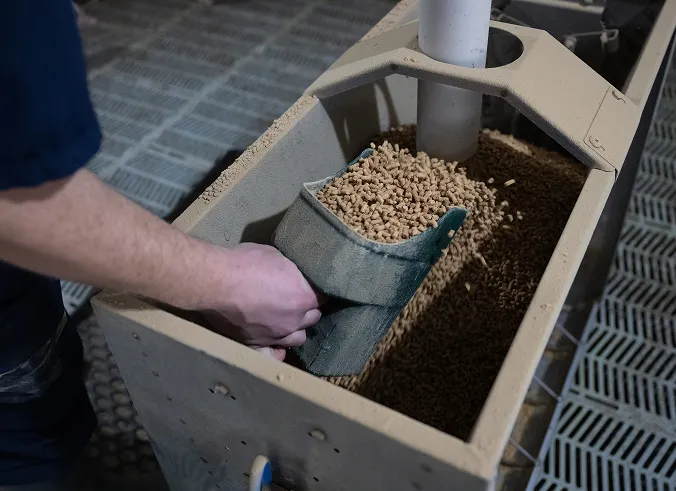
Crafco manufactures PoreShield at its DeKalb, Illinois, facility – right in the heart of soybean country. According to Alexander, the company uses significant volumes of soy, including soybean byproducts, in production.
“Crafco is actively looking for more ways to use biobased materials,” he says. “They’re exploring soy-based roof sealants and even soy-based packaging, which could help reduce waste and lower carbon footprints here in the U.S. and overseas.”
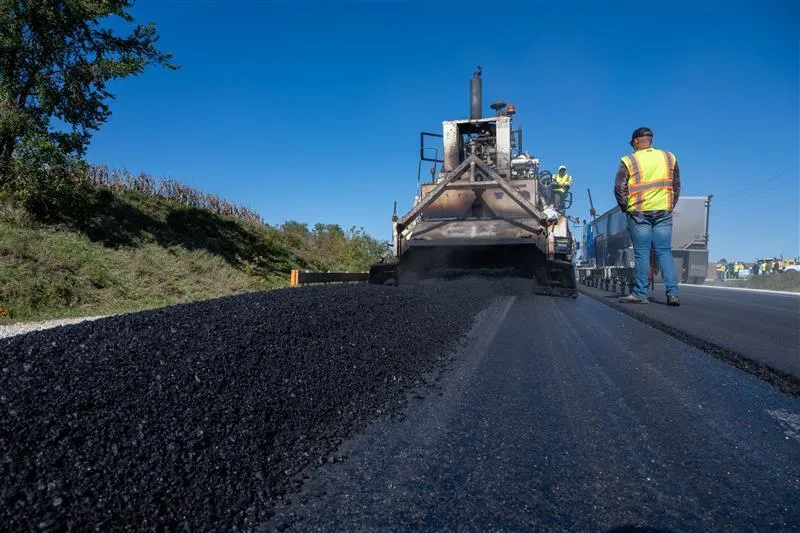
One example is Crafco’s largest product – a heavy-duty sealer used on highways and interstates. The company is working toward a biodegradable, soy-based package that could be applied directly, saving time and labor for road crews.
For soybean farmers, these innovations matter.
“U.S. soybean farmers need to move as many beans domestically as we can,” Alexander says. “That’s why partnerships like this are so important. Every new industry we can break into strengthens demand and supports farmers’ bottom lines.”
Biobased products like PoreShield show how soybeans continue to deliver value well beyond the field – turning farmer-grown crops into durable, real-world solutions.
U.S. Soy Staff Writer
U.S. Soy provides a sustainable alternate protein, that allows our farmers to grow their businesses and feeds countless families around the world.