07.14.2026
U.S. Soy Staff Writer
With $67 million in cost share still available, a streamlined web sign-up makes enrolling easier than ever, and a coming Marketplace looks to pay growers for stewardship long after the grant dollars run out.
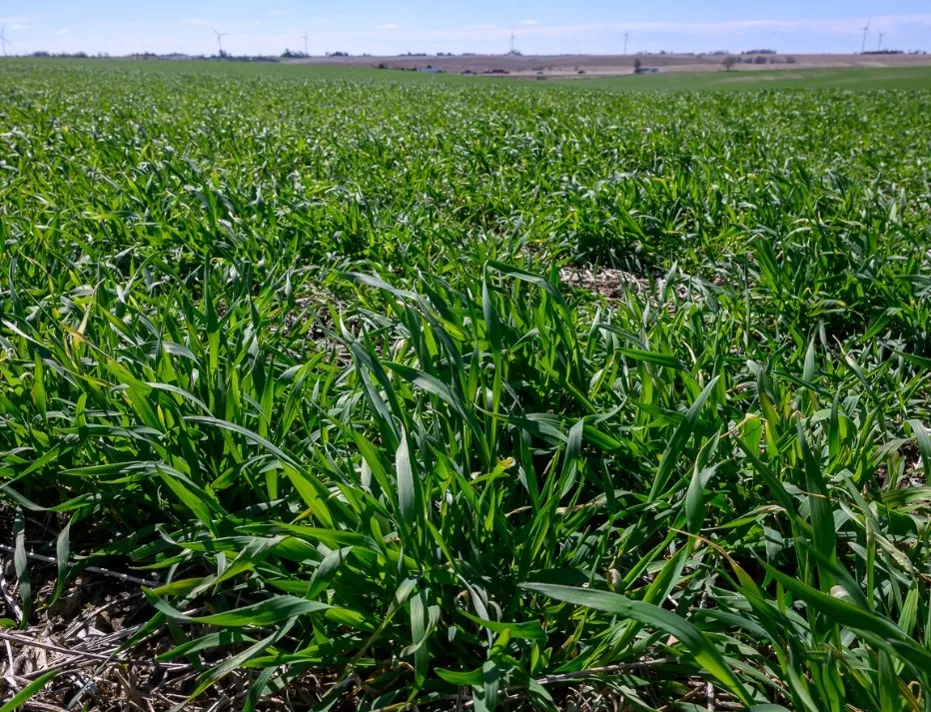
Farmers for Soil Health (FFSH) has reopened enrollment for the 2026 cover crop season, and sign-ups are outpacing every prior cycle. About $67 million in federal cost share remains available at the farm level, and enrollment for the 2026 season closes Aug. 31.
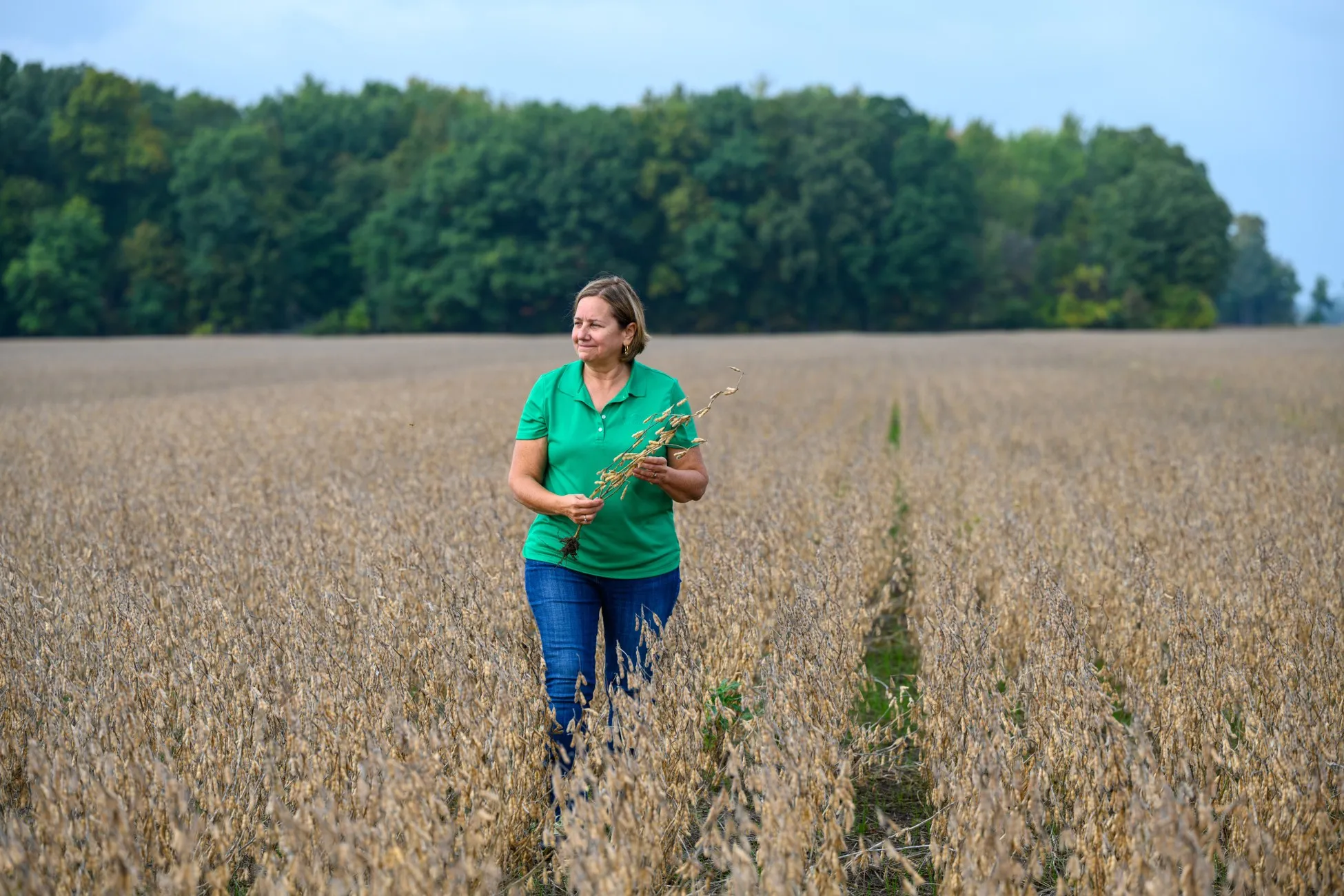
One of the farmers behind that growth is Jim Douglas, a fourth-generation grower in Flat Rock, Ind., USB director and FFSH Farmer Advisory Board member. Now in his 50th year of farming, Douglas has watched tillage drive erosion and compaction and watched no-till and cover crops reverse it.
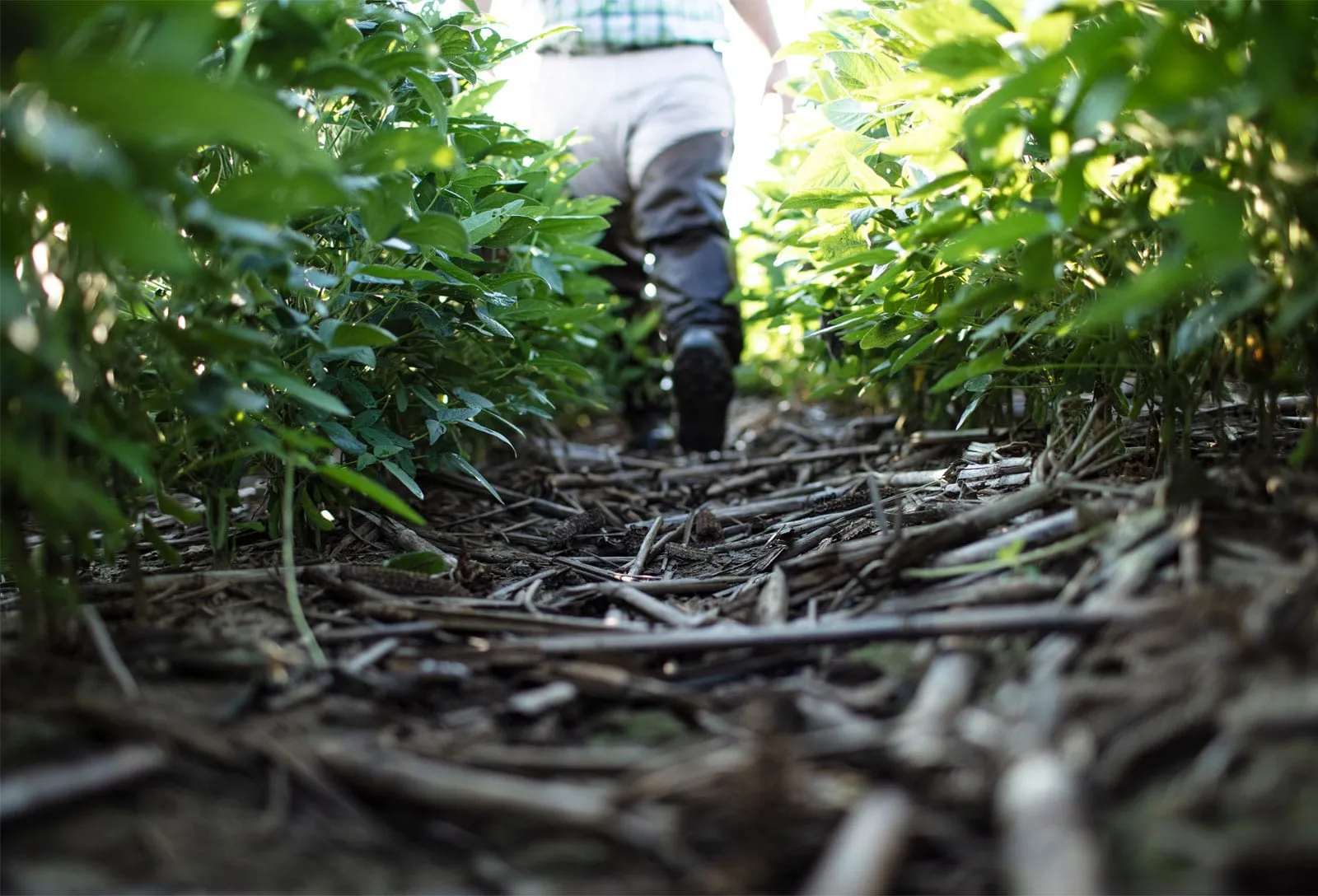
“Undoubtedly, you see erosion stop with your own eyes. You don’t have to wait,” Douglas says. “When you have a growing crop there through the winter rains instead of a bare field, you stop erosion, and that is really valuable.”
A farmer-led approach
FFSH began in 2019 with a memorandum of understanding among USB, the National Pork Board and the National Corn Growers Association. Working together allowed the three commodity groups to secure longer-term funding, later expanded through a USDA Advancing Marketplace for Producers grant.
The program chose cover crops as it was an easy to detect conservation practice utilizing remote technology that builds organic matter, keeps nutrients in place, improves soil structure and reduces erosion. FFSH aims to help double U.S. cover crop acres. State corn and soybean associations deliver the program locally, and a DTN technology platform uses satellite imagery to verify cover crops in the field.
How enrollment works
Farmers can enroll on the program’s website by creating an account and entering their last name and ZIP code. When the Farm Service Agency fields appear, they can select up to 2,000 acres, add high-level management details and review their estimated payment. Growers who need support can search for a technical assistance provider by ZIP code or state.
Douglas helped shape that experience on the Farmer Advisory Board. “The biggest contribution from our input was to make it easy to sign up,” he says. He tested it firsthand when enrolling his own acres with his son, James. “Once you’re signed up, it’s easy. They do it all web-based.”
No look-back period, and no penalty for trying
Two features set the program apart. It carries no look-back period and uses one-year contracts, which means farmers who have planted cover crops for years can finally be paid for the practice.
Douglas remembers when FFSH required a three-year commitment, a stumbling block for hesitant producers. “Now it’s just a one-year program,” he says. “You get paid, you know what you’re going to get paid, and that should be real popular.”
The program also removes the risk of trying. If a cover crop fails, farmers still receive cost share for the attempt, covering seed, labor, time and effort. Douglas knows that risk well. His own seedings, flown on by drone into standing corn, have swung with the rain. Under FFSH, a dry fall no longer means a wasted investment.
Looking ahead to the Marketplace
Next comes the Marketplace, connecting FFSH cost share enrolled farmers with corporations working toward environmental goals. Rather than companies hiring outside firms to estimate adoption across a supply shed, the FFSH Marketplace provides verifiable fields and practices, a two-way direct exchange from farmer to end-user exchange.
The program hopes to have a corporate partner in place by late 2026. Growers enrolling now will have their practices verified by satellite this fall and winter, building the base of verified acres buyers will be looking for.
Farmers stay in control
With Farmers for Soil Health, growers remain in the driver’s seat.
“There’s never a better time to try this,” Douglas says. “It’s a one-year commitment on any acreage you want to do. There are no strings attached, you’ve got technical assistance, and it’s going to cover your cost of doing it. There’s not much free in this world, and this program is one of them.”
Enrollment for the 2026 season closes Aug. 31. Learn more and sign up at farmersforsoilhealth.com.
U.S. Soy Staff Writer
U.S. Soy provides a sustainable alternate protein, that allows our farmers to grow their businesses and feeds countless families around the world.