


05.20.2026
U.S. Soy Staff Writer
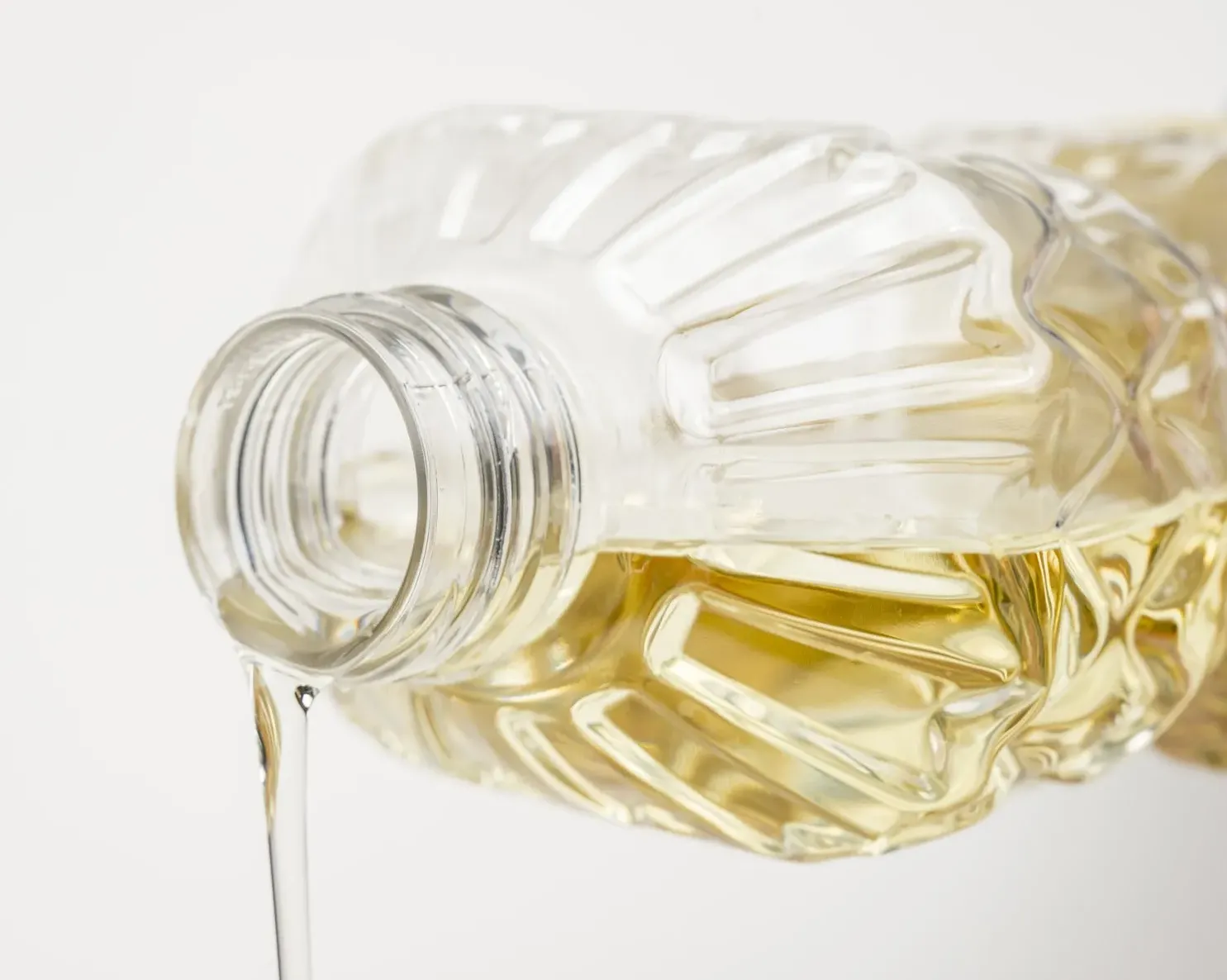
On social media, viral videos often blame seed oils for inflammation and chronic disease. But many of those claims stray from peer-reviewed research.
For U.S. soybean farmers, the stakes are high: soybean oil accounts for about 12.5 billion pounds of the domestic food market each year. To push back, industry groups have ramped up outreach. A campaign led by SNI Global has topped 579 million media impressions, alongside new research and efforts to explain what the evidence shows.
Origins of the backlash
Seed oil skepticism has circulated for years. Indiana soybean farmer Matthew Chapman, a United Soybean Board (USB) director who has worked with SNI Global, said old claims, ranging from hormone myths to warnings aimed at new mothers, have surged online.
“We've heard these narratives for a long time," Chapman said. "Now they're louder and more visible.”
Dilip Nakhasi, a food scientist with more than three decades of experience in fats and oils, points to market competition as a driver of the trend, with anti-seed oil messaging often used to promote alternative products.
“One of the best things USB has done is stay on top of the controversy,” said Nakhasi.
Through SNI Global, with support from USB, a growing body of research is pushing back on the negative narrative around seed oils.
What research shows
Soybean oil is rich in polyunsaturated fatty acids, which make up about 50 to 58 percent of its composition. That includes linoleic acid, an omega-6, and alpha-linolenic acid, an omega-3. About 20 to 23 percent is monounsaturated fat (oleic acid), and only 12 to 15 percent is saturated fat.
The body cannot make linoleic acid or alpha-linolenic acid on its own, which is why both are classified as essential fatty acids.¹ They must come from the diet, and soybean oil is one of the richest sources.
“They play an important role in cardiovascular health and overall metabolic function,” said Nakhasi.
Soybean oil is recommended as a source of dietary fat by leading health authorities, including the World Health Organization, the American Heart Association, and the Academy of Nutrition and Dietetics. Studies show that higher intake of linoleic acid is associated with lower risk of cardiovascular disease, coronary heart disease, type 2 diabetes, and overall mortality. The FDA has qualified health claims for both conventional soybean oil and high-oleic soybean oil based on their potential to reduce coronary heart disease risk.
The most common claim against linoleic acid is that it drives inflammation. Nakhasi said the science does not back that up. When the body metabolizes linoleic acid, a small share converts to arachidonic acid, a compound that can be pro-inflammatory in larger amounts. But the conversion rate is low, and dietary linoleic acid has not been shown to raise inflammation markers in the body.
“In my opinion, they made a mountain out of a molehill,” said Nakhasi.
Confusion may stem from where soybean oil shows up most often: ultra-processed foods that can be high in sugar, salt, and calories. Those diets are linked to poorer health outcomes, but the oil itself is not the culprit.
Why the message resonates
The anti-seed oil movement thrives on social media, where simple, emotionally charged claims spread fast. It offers a clear villain and an easy fix: avoid seed oils and switch to alternatives.
Chapman notes many people have consumed soybean oil for decades without noticing; on U.S. labels, it is often listed simply as “vegetable oil.”
He argues that if soybean oil caused widespread harm, the signal would likely be clearer in population-level data by now. “It’s not in any company’s interest to harm its customers,” he added.
For farmers and researchers, the discussion goes beyond oil. Soybeans become everything from cooking oil to tofu and tempeh — foods often associated with health-conscious diets.
“It’s the same crop,” said Chapman. “You can’t call one use harmful while praising another.”
He adds that soybean production supports diverse diets worldwide, from plant-based proteins to everyday cooking staples.
Looking ahead
As misinformation spreads, the soybean industry is leaning on research, transparency, and clearer communication. Farmers, scientists, and organizations say the goal is to keep public understanding aligned with evidence.
“We want people to be well-fed and healthy,” said Chapman. “There’s a lot of work to do globally, and soy is one way we help meet that need.”
In a landscape driven by quick takes and viral trends, that message may be harder to amplify, but it is grounded in decades of scientific study.
- Linoleic Acid - PMC
Whelan, J., & Fritsche, K. (2013). Linoleic acid. Advances in Nutrition, 4(3), 311–312. https://doi.org/10.3945/an.113.003772 - Petersen KS, Maki KC, Calder PC, et al. Perspective on the health effects of unsaturated fatty acids and commonly consumed plant oils high in unsaturated fat. British Journal of Nutrition. Published online 2024:1-12. doi:10.1017/S0007114524002459
U.S. Soy Staff Writer
U.S. Soy provides a sustainable alternate protein, that allows our farmers to grow their businesses and feeds countless families around the world.