



Soy’s Role in Men’s Health. What You Need to Know
You may have questions about soy foods, especially regarding protein quality and its effects on hormones, like testosterone and estrogen. Can soy play a part in men’s health, and what are the benefits of adding it to your diet? Here’s a clear, fact-based look at how soy fits into men’s fitness and performance.
Soy is a complete protein, providing all the essential amino acids your body needs, and supports similar muscle growth and strength gains as animal protein when paired with resistance training.
Phytoestrogens in soy, specifically isoflavones, do not behave like human estrogen in the body. They do not affect testosterone and estrogen in men, and do not “feminize” men.
Regular soy intake is linked to a reduced risk of heart disease and prostate cancer – two of the biggest health concerns for men.
Whole soy foods also provide fiber and probiotics that support gut health, an area in which many men fall short.
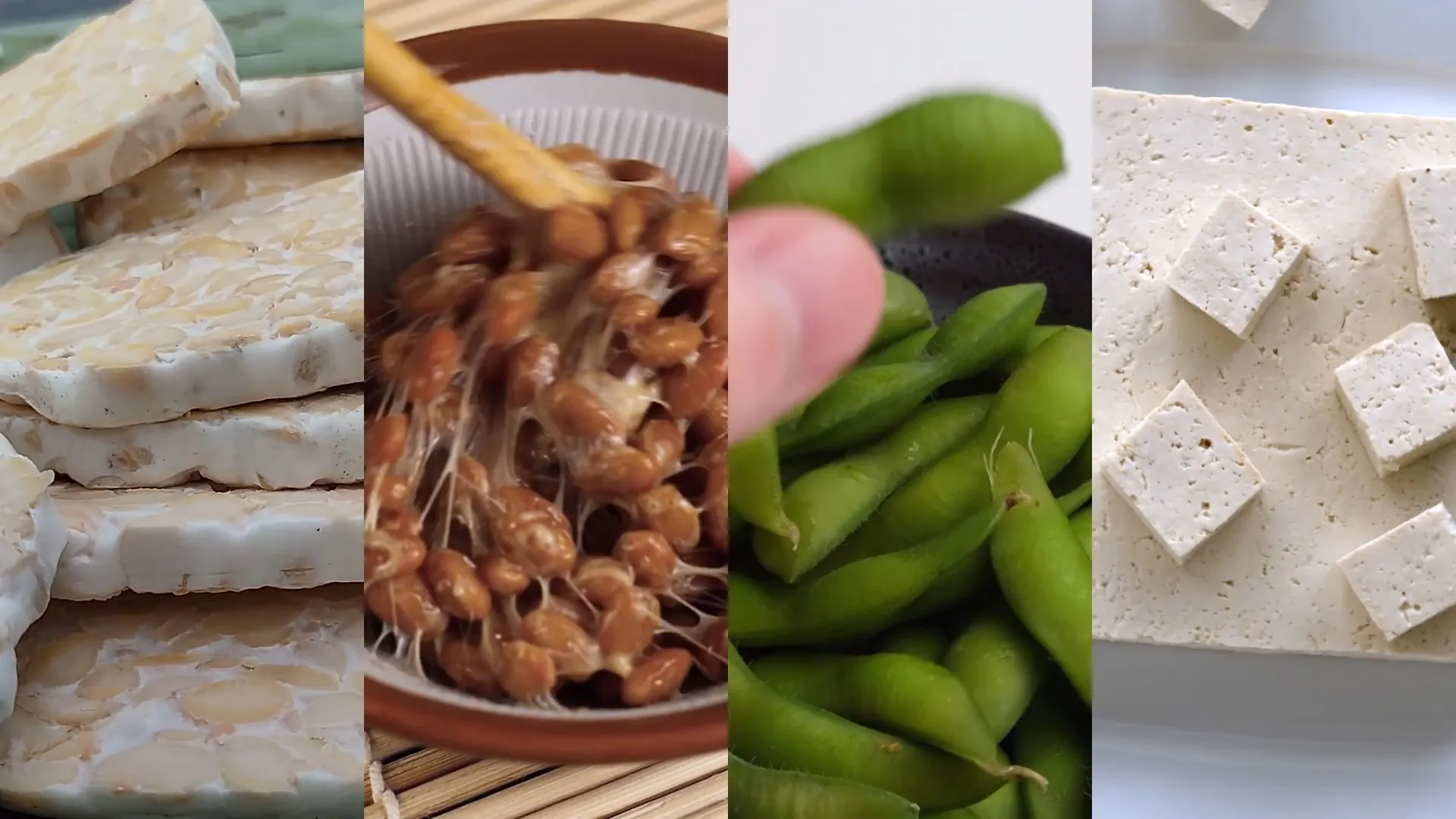
Soy foods can play a valuable role in men’s health at every stage of life. Whether you’re focused on building strength, maintaining muscle, or supporting long-term wellness, foods like tofu, tempeh, edamame, or soy-based protein powders can support your goals. Here are the benefits of soy for men.
.webp)
Soy is unique among plant proteins because it is a complete protein, meaning it provides all nine essential amino acids your body needs. This includes leucine, the primary amino acid that triggers muscle repair and growth, which is present in soy at about 8 grams per 100 grams of protein.
Soy protein is also considered a high-quality protein, comparable in protein quality to animal proteins such as milk, eggs, and meat. So no, you don’t have to give up meat, poultry, or seafood, but integrating plant proteins like soy into your diet brings valuable vitamins, minerals, and antioxidants you don’t get from animal sources alone. Look to incorporate protein-rich soy foods into your diet, like tofu, tempeh, and edamame.
Research also shows that men who supplement resistance training with soy protein may experience similar gains in muscle mass and strength as those who supplement their workout with animal protein.
Soy Is a Good Source of Fiber
Beyond protein, many men do not consume enough fiber, despite its role in digestive and metabolic health. Soy foods like edamame and soy nuts are sources of fiber and support digestion, both of which play a role in weight maintenance. Fermented soy foods like miso and natto are also packed with probiotics – good bacteria that help keep your gut healthy and balanced.
Overall, soy foods provide a combination of complete protein and fiber that can help you feel full longer. That way, you're less tempted to snack between meals as you work toward your fitness goals.
Soy May Help Promote Heart and Prostate Health
Researchers have studied soy’s role in men’s health across several areas, including heart disease risk and prostate health.
Prostate cancer is the second most diagnosed cancer in men, accounting for 15% of all male cancer diagnoses worldwide. According to epidemiological studies, Asian populations that consume soy as a regular part of their diet have lower rates of prostate cancer, and soy consumption is thought to be linked to the low prevalence.
Meanwhile, heart disease remains the leading cause of death for men in the U.S. Soy foods have been widely studied for their role in reducing the risk of heart disease.
Specifically, soy protein carries the Food and Drug Administration (FDA) authorized health claim related to its ability to lower blood cholesterol, which states that 25 grams of soy protein a day, as part of a diet low in saturated fat and cholesterol, may reduce the risk of heart disease. Soy protein shows up in many protein bars, often listed as soy protein isolate, so it’s worth checking labels. You can also get protein from soy foods like these:
Soy Protein | Serving Size (g/oz) | Protein (g) |
|---|---|---|
Edamame | 75 g/2.7oz | 9 g |
Tempeh | 84 g/3 oz | 18 g |
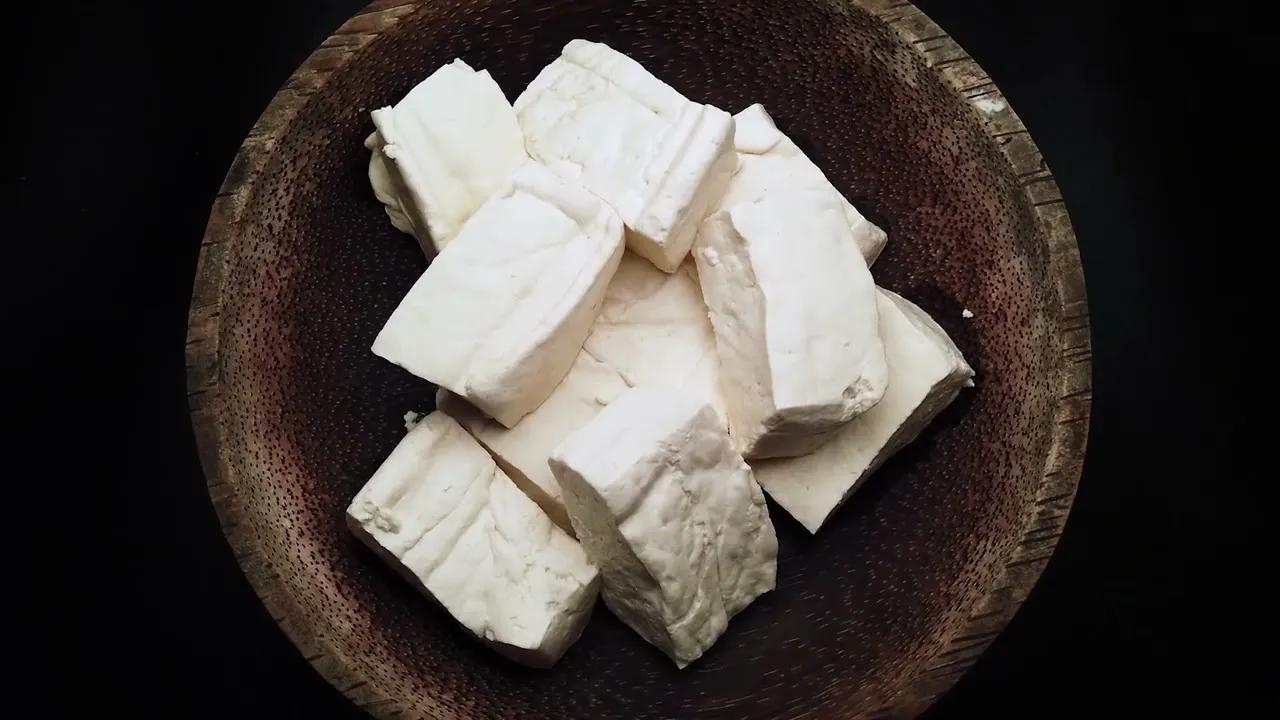
Tofu | 85 g/3oz | 8 g |
Soy Milk | 244g/8oz | 7 g |
Soy Nut Butter | 32g/1.1oz | 7 g |
Does Soy Affect Testosterone and Estrogen in Men?
One of the biggest misconceptions around soy foods and men’s health is the perceived risk of feminization and impact on hormones like testosterone and estrogen. Here’s where the idea comes from, and why the research doesn’t back it up.
Soy contains a type of phytoestrogen, called isoflavones, which are plant-based compounds. Because phytoestrogens like isoflavones have a similar chemical structure to human estrogen, some believe that consuming soy feminizes men. However, isoflavones bind to estrogen receptors in cells differently than human estrogen does, resulting in different actions in the body. A typical serving of traditional, minimally processed soy foods (like tofu or soy milk) provides about 25 mg of isoflavones.
Research supports that:
- Soy foods and isoflavones do not affect testosterone levels
- They do not increase estrogen levels in men
- They do not adversely affect sperm quality, reproductive function, or other semen parameters
 (1).webp)