


02.16.2026
U.S. Soy Staff Writer
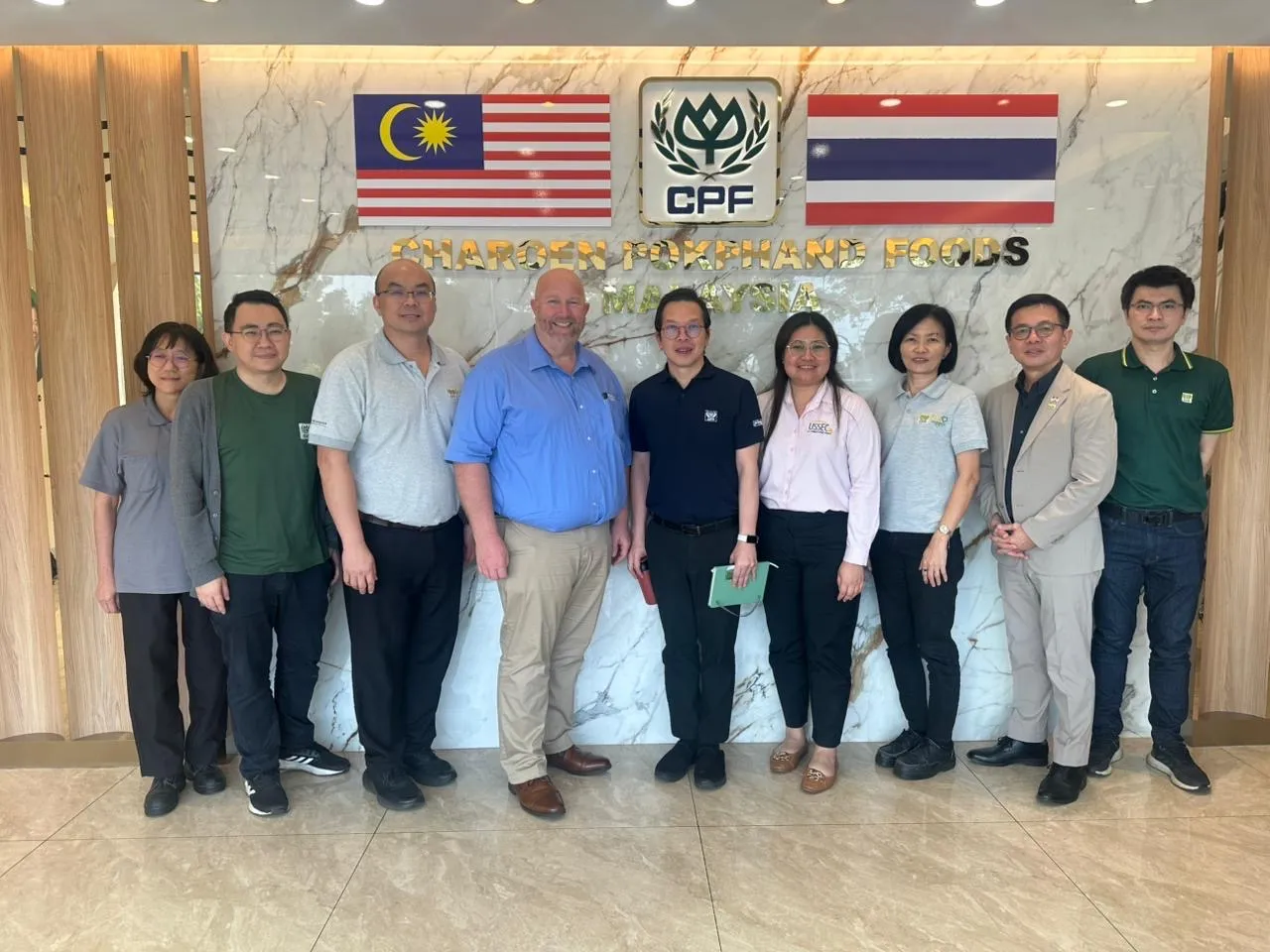
Robb Ewoldt, a farmer leader from Iowa, traveled to Malaysia alongside Timothy Loh, regional director for Southeast Asia with the U.S. Soybean Export Council (USSEC). The USDA Trade Reciprocity for U.S. Manufacturers and Producers mission followed a newly signed trade agreement between the United States and Malaysia and focused on expanding demand for U.S. soybean meal in a market historically dominated by South American supply.
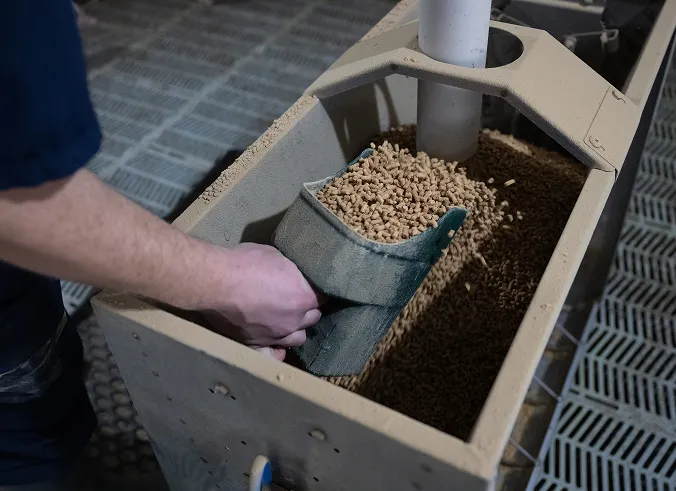
Malaysia imports more than 90% of its food and feed ingredients, making it highly sensitive to price while remaining focused on performance and consistency, particularly at the crusher and integrator level, Loh said. While U.S. soybeans already account for nearly halfof Malaysia’s whole-bean imports, soybean meal has lagged due to long-standing trade practices that emphasize crude protein levels over total feed performance.
During the mission, the U.S. delegation held a series of meetings with major buyers across the country. Ewoldt said those conversations helped reframe how U.S. soybean meal is evaluated, shifting discussions from protein alone to digestibility, amino acid availability, energy contribution and overall feed efficiency.
"One of the biggest takeaways was that buyers are open to a different conversation once you walk them through the full value of U.S. soybean meal,” Ewoldt said. “When you start talking about digestibility, energy and consistency, it changes how they look at cost and performance."
That message resonated during the visit. Ewoldt said one Malaysian buyer purchased 4,000 metric tons of U.S. soybean meal during the mission, while additional interest surfaced for larger volumes.
Another recurring theme was logistics. Malaysian buyers expressed interest in combination cargoes, or shipments that include soybean meal alongside commodities such as corn or wheat. While such shipments can be operationally complex, Loh said they can provide economic and risk-management advantages when conditions align.
Sustainability also emerged as an increasingly important factor in purchasing decisions. Loh noted that Malaysia is phasing in mandatory sustainability disclosures aligned with international reporting standards beginning in 2026, increasing interest in third-party verified assurance programs such as the U.S. Soy Sustainability Assurance Protocol (SSAP).
Ewoldt said sustainability discussions were important during the meetings. “We were able to show that U.S. farmers are already doing the work, and that it’s verified by a third party,” he said. “That matters when companies start tracking carbon footprint and supply-chain risk.”
Both Ewoldt and Loh emphasized that farmer presence remains critical in building trust and advancing long-term relationships. While technical expertise provides the data buyers need, direct engagement from farmers reinforces U.S. Soy’s commitment to reliability, consistency and stewardship.
Looking ahead, Loh said the Association of Southeast Asian Nations markets, including Malaysia, represent meaningful long-term growth potential for U.S. soybean meal as livestock, poultry and aquaculture sectors continue to expand. “When competitive pricing aligns with a clearly articulated quality and performance story, Malaysian buyers respond,” he said.
Ewoldt agreed, noting that progress will depend on continued engagement and supply-chain flexibility. “You don’t move markets like this with one trade mission,” he said. “But being there, answering questions and staying in front of customers is how you start changing behavior over time.”
U.S. Soy Staff Writer
U.S. Soy provides a sustainable alternate protein, that allows our farmers to grow their businesses and feeds countless families around the world.


.webp)